
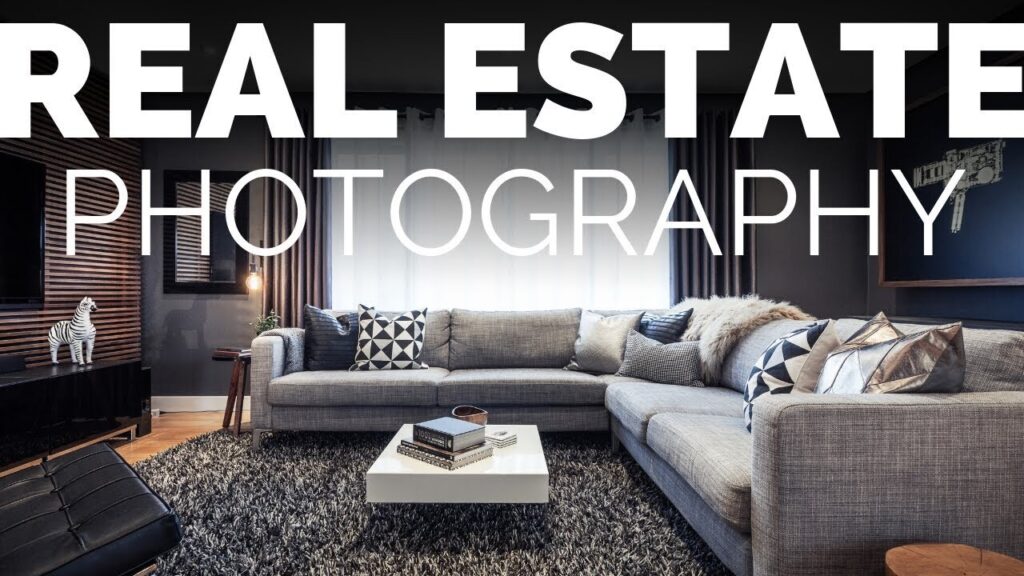
A good lens makes a big difference in Real Estate photography. It helps capture rooms with the right perspective and lighting. The wrong lens can make spaces look cramped or distorted. Purchasers depend on images to assess a property’s dimensions and arrangement. A carefully selected lens creates an expansive and welcoming atmosphere in interiors.
The Best Lens for Real Estate Photography relies on various elements. Wide-angle lenses capture whole rooms in a single frame. Tilt-shift lenses fix distortion and keep lines straight. The right choice makes photos look natural and well-balanced. A poor choice can create stretched walls or uneven angles. Using the right lens ensures properties look their best online.
Key Factors in Choosing a Lens
Choosing a good lens requires attention to key factors. The right lens helps capture accurate and attractive property images. Here’s what matters most:
Focal Length
A wide focal length captures more of a room in one shot. Lenses between 16mm and 35mm work best for interiors. A shorter focal length makes small spaces look larger.
Aperture
A wide aperture (low f-number) allows more light into the camera. This helps in dim rooms and creates sharp images. Lenses with f/2.8 or f/4 work well for property photos.
Distortion Control
Some lenses stretch walls and make objects look unnatural. A Good Lens for Real Estate Photography keeps straight lines straight. Tilt-shift lenses help correct perspective distortion.
Sharpness and Image Quality
A sharp lens ensures crisp details in photos. Soft or blurry edges reduce image quality. The Best Lens for Real Estate Photos produces clear images across the entire frame.
Best Lens Types for Real Estate Photography
Choosing the right lens improves real estate photos. The wrong lens can distort spaces and reduce image quality. Different lenses serve different purposes in property photography. Wide-angle lenses capture full rooms with minimal distortion. Tilt-shift lenses keep vertical lines straight for a natural look. Standard zoom lenses offer flexibility for various shots. Prime lenses provide sharp images with excellent low-light performance. The best choice depends on the property and lighting conditions.
Wide-Angle Lenses (16-35mm, 10-20mm)
A wide-angle Real Estate Photography Lens captures more of a room. It makes small spaces look bigger without heavy distortion. Focal lengths from 16mm to 35mm work best. These lenses suit tight spaces like bathrooms. They balance space and depth in photos. Rooms look open and more inviting.
Tilt-Shift Lenses (24mm, 17mm)
Tilt-shift lenses correct distortion and keep lines straight in photos. They prevent walls from leaning inward, which is common with wide lenses. This makes them great for exterior shots of tall buildings. A Best Canon Lens for Photography in real estate often includes a tilt-shift option. These lenses ensure accurate proportions, which is important for professional listings.
Standard Zoom Lenses (24-70mm)
A standard zoom lens is versatile for both wide and close-up shots. It works well for full-room images and detailed shots of fixtures. A 24-70mm lens provides flexibility in different lighting and room sizes. It also produces sharp images with minimal distortion. Many professionals consider it a Real Estate Photography Lens for everyday use.
Prime Lenses (24mm, 35mm)
Prime lenses offer excellent sharpness and low-light performance. They have a fixed focal length. A 24mm or 35mm prime lens captures clean, high-detail photos. These lenses are great for bright, sharp interior shots. Many photographers use them along with zoom lenses for variety.
Full-Frame vs. Crop Sensor: Does It Matter?
Sensor size affects real estate aerial photography and interior shots. A full-frame sensor captures a wider field of view. It makes rooms look more spacious and natural. A crop sensor (APS-C) constricts the frame, necessitating a broader lens for the equivalent impact. This variation affects focal lengths, distortion, and image quality. Choosing the right lens ensures accurate proportions in 360 Real Estate Photography and standard images.
Full-Frame vs. Crop Sensor Lens Comparison
| Feature | Full-Frame Sensor | Crop Sensor (APS-C) |
| Field of View | Wider, captures more of the room | Narrower, reduces frame size |
| Focal Length Equivalent | 16mm stays 16mm | 16mm acts like 24mm (1.5x crop factor) |
| Low-Light Performance | Better, more light reaches sensor | Slightly lower, needs wider aperture |
| Distortion | Less noticeable with wide lenses | More pronounced with wide lenses |
| Best Use Cases | Large interiors, Real Estate Aerial Photography, exteriors | Smaller rooms, 360 Real Estate Photography with ultra-wide lenses |
A full-frame camera works best for professional real estate shots. A crop sensor camera can still deliver quality results with the right lens.
Lens Recommendations for Real Estate Photography
The right lens depends on the camera type. DSLR and mirrorless cameras need different mounts. A good lens captures wide spaces without distortion. High-quality lenses improve lighting and sharpness.
For DSLR Users (Canon/Nikon/Sony)
A DSLR camera needs a wide or tilt-shift lens. A good lens captures full rooms with straight lines. It also improves sharpness and low-light performance.
Best DSLR Lenses for Real Estate Photography:
- Canon EF 16-35mm f/4L IS USM is the Best Canon Lens for Photography. It captures wide spaces with minimal distortion.
- Nikon AF-S 14-24mm f/2.8G ED is the Best Nikon Lens for Real Estate Photography. It delivers sharp images in low light.
- Sony 16-35mm f/2.8 ZA SSM II – Provides excellent clarity and wide coverage.
For Mirrorless Users (Sony, Canon RF, Nikon Z, Fujifilm, etc.)
Mirrorless cameras need lenses made for their mounts. A wide lens captures more space with less distortion. It improves sharpness and performs well in low light.
Best Mirrorless Lenses for Real Estate Photography
- Sony FE 12-24mm f/4 G – It is Best Sony lens for real estate photography. It captures wide views with little distortion.
- Canon RF 15-35mm f/2.8L IS USM – Works well in low light and keeps images sharp.
- Nikon Z 14-30mm f/4 S – Delivers wide shots with excellent detail.
- Fujinon XF 10-24mm f/4 R OIS WR – Provides clear images with no distortion.
Conclusion
A Real Estate Photographer needs the right lens for each space. Wide-angle lenses work best for most interiors. Tilt-shift lenses help fix distortion in tall buildings. Testing different lenses ensures the best results for every property. The best all-around choice is a 16-35mm or 14-24mm lens. A good lens makes rooms look natural and well-lit. Adapting to space size improves photo quality and accuracy.
FAQs
What focal length should I use for interior real estate shots?
A wide-angle lens between 16mm and 24mm works best. It captures entire rooms without heavy distortion. A tilt-shift lens can also help correct perspective.
Is a full-frame lens better than a crop sensor lens?
A full-frame lens captures a wider view and performs better in low light. A crop sensor lens works too but needs a wider focal length to match.
Can I shoot real estate photos with a 50mm lens?
A 50mm lens is too narrow for most interior shots. It works for close-up details or exterior shots but won’t capture full rooms effectively.
What lens should I use for shooting large properties or estates?
A 16-35mm wide-angle lens is ideal. For Real Estate Photographers capturing exteriors, a 24-70mm zoom lens provides versatility. A drone with a wide lens also helps for aerial views.